When is a Complete Blood Count test ordered?
A CBC test may be ordered in various situations. These include:
- Routine Check-ups: Doctors often include a CBC test as part of routine check-ups to assess overall health and screen for any underlying blood-related conditions.
- Evaluation of Symptoms: When a patient presents unexplained symptoms such as fatigue, weakness, frequent infections, bruising, or excessive bleeding, a CBC test can help identify potential causes or abnormalities.
- Monitoring Chronic Conditions: Patients with chronic conditions like anemia, infections, autoimmune disorders, or blood-related diseases require regular CBC tests to monitor their condition, track treatment effectiveness, and adjust therapies accordingly.
- Pre-Surgical Assessment: Prior to surgery or invasive medical procedures, doctors order CBC tests to evaluate a patient’s blood cell counts and ensure their ability to handle the procedure safely.
What does a Complete Blood Count test check for?
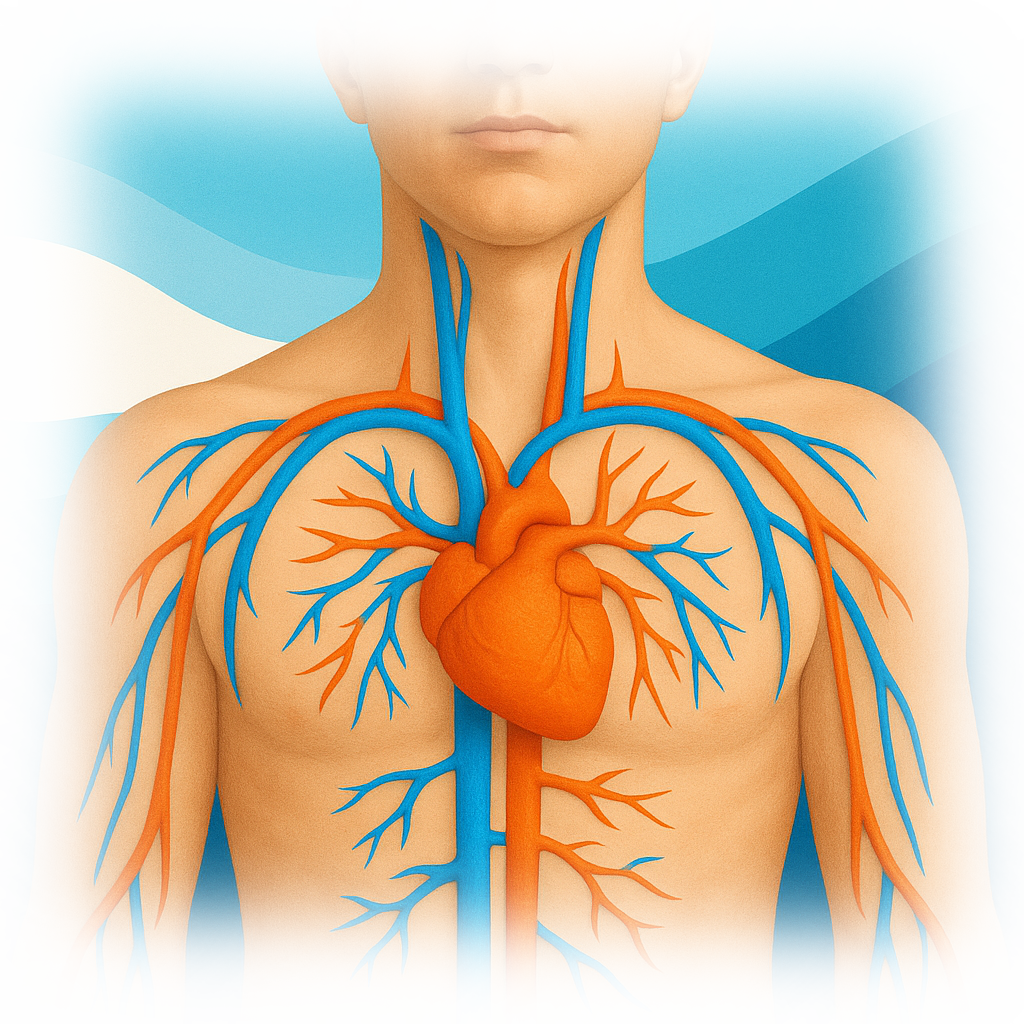 The complete blood count (CBC) is a blood test that determines the number of cells in circulation. White blood cells (WBCs), red blood cells (RBCs), and platelets (PLTs) are three types of cells suspended in a fluid called plasma. They are largely created and matured in the bone marrow and are released into the bloodstream when needed under normal circumstances.
A CBC is mainly performed with an automated machine that measures a variety of factors, including the number of cells present in a person’s blood sample. The findings of a CBC can reveal not only the quantity of different cell types but also the physical properties of some of the cells.
Significant differences in one or more blood cell populations may suggest the presence of one or more diseases. Other tests are frequently performed to assist in determining the reason for aberrant results. This frequently necessitates visual confirmation via a microscope examination of a blood smear. A skilled laboratory technician can assess the appearance and physical features of blood cells, such as size, shape, and color, and note any anomalies. Any extra information is taken note of and communicated to the healthcare provider. This information provides the health care provider with further information about the cause of abnormal CBC results.
The CBC focuses on three different types of cells:
WBCs (White Blood Cells)
 The body uses five different types of WBCs, also known as leukocytes, to keep itself healthy and battle infections and other types of harm. The five different leukocytes are eosinophiles, lymphocytes, neutrophiles, basophils, and monocytes. They are found in relatively steady numbers in the blood. Depending on what is going on in the body, these values may momentarily rise or fall. An infection, for example, can cause the body to manufacture more neutrophils in order to combat bacterial infection. The amount of eosinophils in the body may increase as a result of allergies. A viral infection may cause an increase in lymphocyte production. Abnormal (immature or mature) white cells multiply fast in certain illness situations, such as leukemia, raising the WBC count.
RBCs (Red Blood Cells)
 The bone marrow produces red blood cells, also known as erythrocytes, which are transferred into the bloodstream after maturing. Hemoglobin, a protein that distributes oxygen throughout the body, is found in these cells. Because RBCs have a 120-day lifespan, the bone marrow must constantly manufacture new RBCs to replace those that have aged and disintegrated or have been lost due to hemorrhage. A variety of diseases, including those that cause severe bleeding, can alter the creation of new RBCs and their longevity.
The CBC measures the number of RBCs and hemoglobin in the blood, as well as the proportion of RBCs in the blood (hematocrit), and if the RBC population appears to be normal. RBCs are generally homogeneous in size and shape, with only minor differences; however, considerable variances can arise in illnesses including vitamin B12 and folate inadequacy, iron deficiency, and a range of other ailments. Anemia occurs when the concentration of red blood cells and/or the amount of hemoglobin in the blood falls below normal, resulting in symptoms such as weariness and weakness. In a far smaller percentage of cases, there may be an excess of RBCs in the blood (erythrocytosis or polycythemia). This might obstruct the flow of blood through the tiny veins and arteries in extreme circumstances.
Platelets
 Platelets, also known as thrombocytes, are small cell fragments that aid in the regular clotting of blood. A person with insufficient platelets is more likely to experience excessive bleeding and bruises. Excess platelets can induce excessive clotting or excessive bleeding if the platelets are not operating properly. The platelet count and size are determined by the CBC.