
Test Preparation: Fasting required. No food or drinks other than water for at least 8 hours before collection.
When is an Insulin test ordered?
An Insulin test may be ordered in several situations:
- Diabetes Diagnosis: An Insulin test may be ordered when a healthcare provider suspects the presence of diabetes based on symptoms like frequent urination, excessive thirst, unexplained weight loss, or high blood sugar levels. It helps assess insulin production and determine if the individual has type 1 or type 2 diabetes.
- Diabetes Management: For individuals with known diabetes, an Insulin test may be ordered to monitor insulin levels and adjust medication dosages accordingly. It helps healthcare providers ensure that insulin therapy is effectively controlling blood sugar levels.
- Insulin Resistance Evaluation: In cases where insulin resistance is suspected, such as in polycystic ovary syndrome (PCOS) or metabolic syndrome, an Insulin test can help assess the body’s response to insulin and guide appropriate treatment strategies.
What does an Insulin blood test check for?
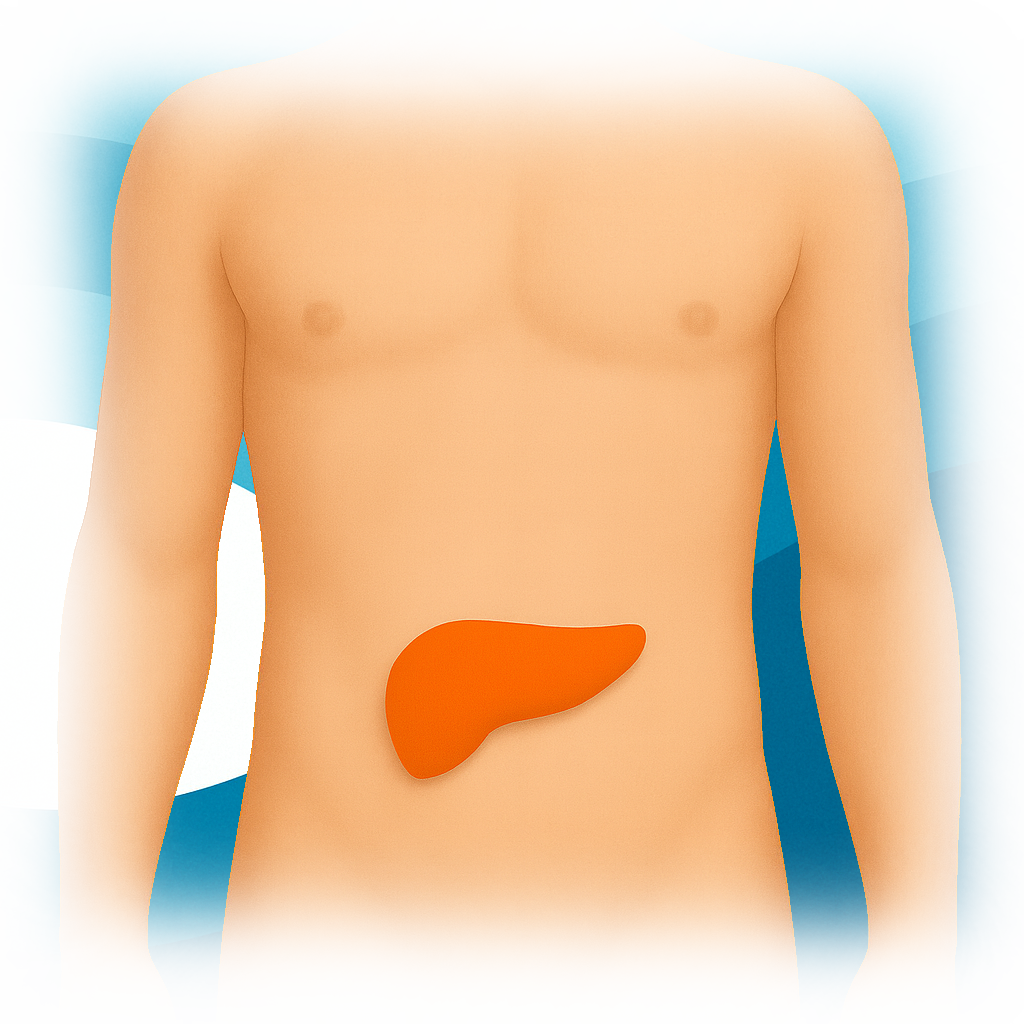 Insulin is a hormone produced in the pancreas’ beta cells and stored there. It is necessary for the transfer and storage of glucose, the body’s primary energy source. Insulin aids in the delivery of glucose from the bloodstream to cells, as well as the regulation of blood glucose levels and lipid metabolism. This test determines how much insulin is present in the blood.
The levels of insulin and glucose in the blood must be balanced. Carbohydrates are frequently broken down into glucose and other simple sugars after a meal. The blood glucose level rises, prompting the pancreas to produce insulin into the bloodstream. The amount of glucose in the blood reduces as it enters cells, and the amount of insulin released by the pancreas decreases.
If an individual is unable to produce enough insulin, or if the body’s cells become resistant to its effects, glucose is unable to reach the majority of the body’s cells, causing the cells to starve as blood glucose climbs to harmful levels. This can disrupt normal metabolic processes, leading to a variety of illnesses and difficulties, such as kidney disease, cardiovascular disease, and eyesight and neurological issues.
Diabetes is a life-threatening illness characterized by excessive glucose levels and diminished insulin action. People with type 1 diabetes produce relatively little insulin, necessitating the use of insulin supplements. Insulin resistance is a common cause of type 2 diabetes, which worsens over time.
Insulin resistance occurs when the body is unable to respond to insulin’s effects. The body makes up for this by manufacturing more of the hormone. Hyperinsulinemia and overstimulation of some insulin-sensitive tissues happen as a result of this. This process generates an imbalance in the connection between glucose and insulin over time, which, if left untreated, can lead to health problems affecting numerous regions of the body.
Insulin resistance can be present in people with polycystic ovary syndrome, prediabetes or cardiac disease, metabolic syndrome, and diseases of the pituitary or adrenal glands, in addition to type 2 diabetes.
Hyperinsulinemia is most commonly seen in persons with tumors of the pancreatic islet cells or an excess of injected insulin, aside from insulin resistance. Low blood sugar is caused by hyperinsulinemia, which can cause sweating, hunger, palpitations, confusion, dizziness, blurred vision, seizures, and fainting. Because the brain relies on blood glucose for energy, severe glucose deprivation caused by hyperinsulinemia can swiftly result in insulin shock and death.