Fasting is preferred, but not required. Fasting is no food or drinks other than water for at least 8 hours before collection.
What does a Comprehensive Metabolic Panel blood test check for?
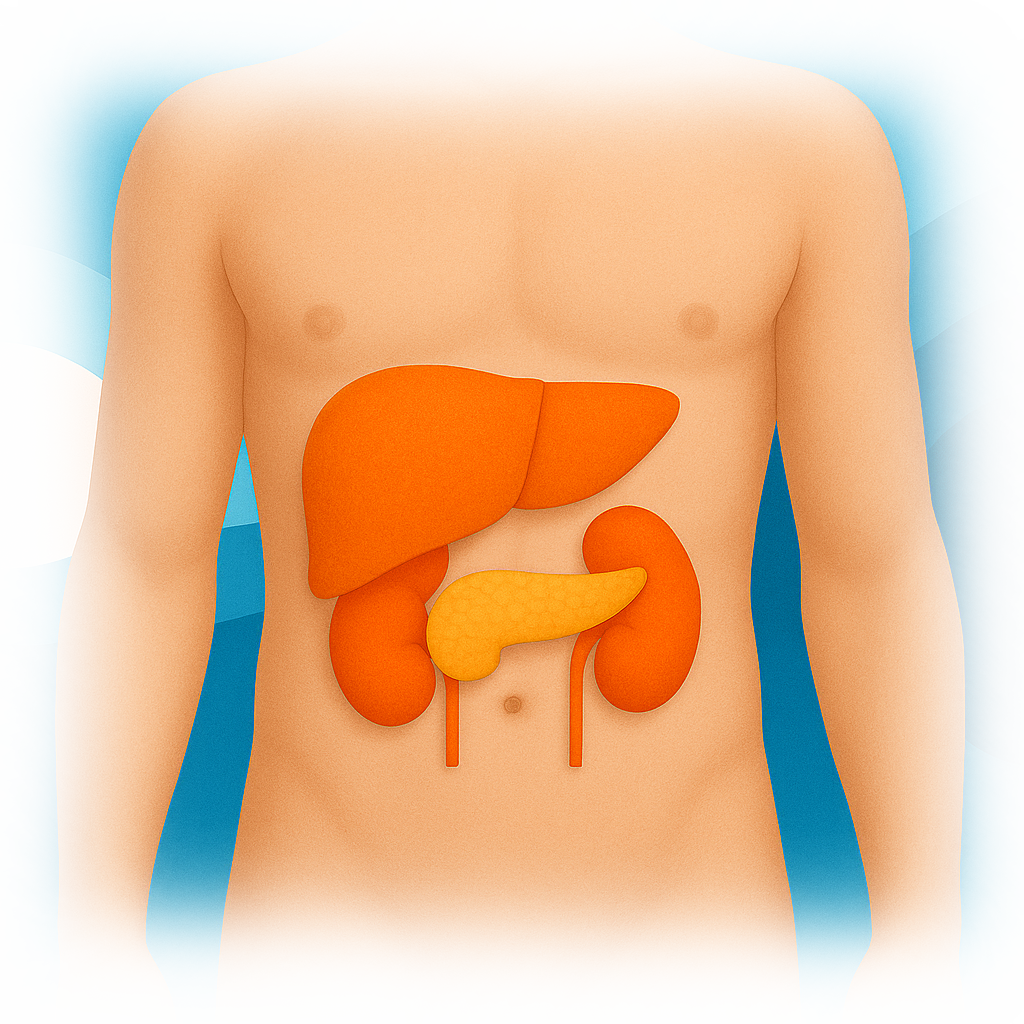 The complete metabolic panel (CMP) is a set of 20 tests that provides critical information to a healthcare professional about a person’s current metabolic status, check for liver or kidney disease, electrolyte and acid/base balance, and blood glucose and blood protein levels. Abnormal results, particularly when they are combined, can suggest a problem that needs to be addressed.
The following tests are included in the CMP:
- Albumin: this is a measure of Albumin levels in your blood. Albumin is a protein made by the liver that is responsible for many vital roles including transporting nutrients throughout the body and preventing fluid from leaking out of blood vessels.
- Albumin/Globulin Ratio: this is a ratio between your total Albumin and Globulin
- Alkaline Phosphatase: this is a measure of Alkaline phosphatase or ALP in your blood. Alkaline phosphatase is a protein found in all body tissues, however the ALP found in blood comes from the liver and bones. Elevated levels are often associated with liver damage, gallbladder disease, or bone disorder.
- Alt: this is a measure of Alanine transaminase or ALT in your blood. Alanine Aminotransferase is an enzyme found in the highest amounts in the liver with small amounts in the heart and muscles. Elevated levels are often associated with liver damage.
- AST: this is a measure of Aspartate Aminotransferase or AST. Aspartate Aminotransferase is an enzyme found mostly in the heart and liver, with smaller amounts in the kidney and muscles. Elevated levels are often associated with liver damage.
- Bilirubin, Total: this is a measure of bilirubin in your blood. Bilirubin is an orange-yellowish waste product produced from the breakdown of heme which is a component of hemoglobin found in red blood cells. The liver is responsible for removal of bilirubin from the body.
- Bun/Creatinine Ratio: this is a ratio between your Urea Nitrogen (BUN) result and Creatinine result.
- Calcium: this is a measurement of calcium in your blood. Calcium is the most abundant and one of the most important minerals in the body as it essential for proper nerve, muscle, and heart function.
- Calcium: is used for blood clot formation and the formation and maintenance of bones and teeth.
- Carbon Dioxide: this is a measure of carbon dioxide in your blood. Carbon dioxide is a negatively charged electrolyte that works with other electrolytes such as chloride, potassium, and sodium to regulate the body’s acid-base balance and fluid levels.
- Chloride: this is a measure of Chloride in your blood. Chloride is a negatively charged electrolyte that works with other electrolytes such as potassium and sodium to regulate the body’s acid-base balance and fluid levels.
- Creatinine: this is a measure of Creatinine levels in your blood. Creatinine is created from the breakdown of creatine in your muscles and is removed from your body by the kidneys. Elevated creatinine levels are often associated with kidney damage.
- Egfr African American: this is a measure of how well your kidneys are functioning. Glomeruli are tiny filters in your kidneys that filter out waste products from your blood for removal while retaining important substances such as nutrients and blood cells.
- Egfr Non-Afr. American: this is a measure of how well your kidneys are functioning. Glomeruli are tiny filters in your kidneys that filter out waste products from your blood for removal while retaining important substances such as nutrients and blood cells.
- Globulin: this is a measure of all blood proteins in your blood that are not albumin.
- Glucose: this is a measure of glucose in your blood. Glucose is created from the breakdown of carbohydrates during digestion and is the body’s primary source of energy.
- Potassium: this is a measure of Potassium in your blood. Potassium is an electrolyte that plays a vital role in cell metabolism, nerve and muscle function, and transport of nutrients into cells and removal of wastes products out of cells.
- Protein, Total: this is a measure of total protein levels in your blood.
Sodium: this is a measure of Sodium in your blood. Sodium is an electrolyte that plays a vital role in nerve and muscle function. - Sodium: this is a measure of sodium in your blood’s serum. Sodium is a vital mineral for nerve and muscle cell function.
- Urea Nitrogen (Bun): this is a measure of Urea Nitrogen in your blood, also known as Blood UreaNitrogen (BUN). Urea is a waste product created in the liver when proteins are broken down into amino acids. Elevated levels are often associated with kidney damage.