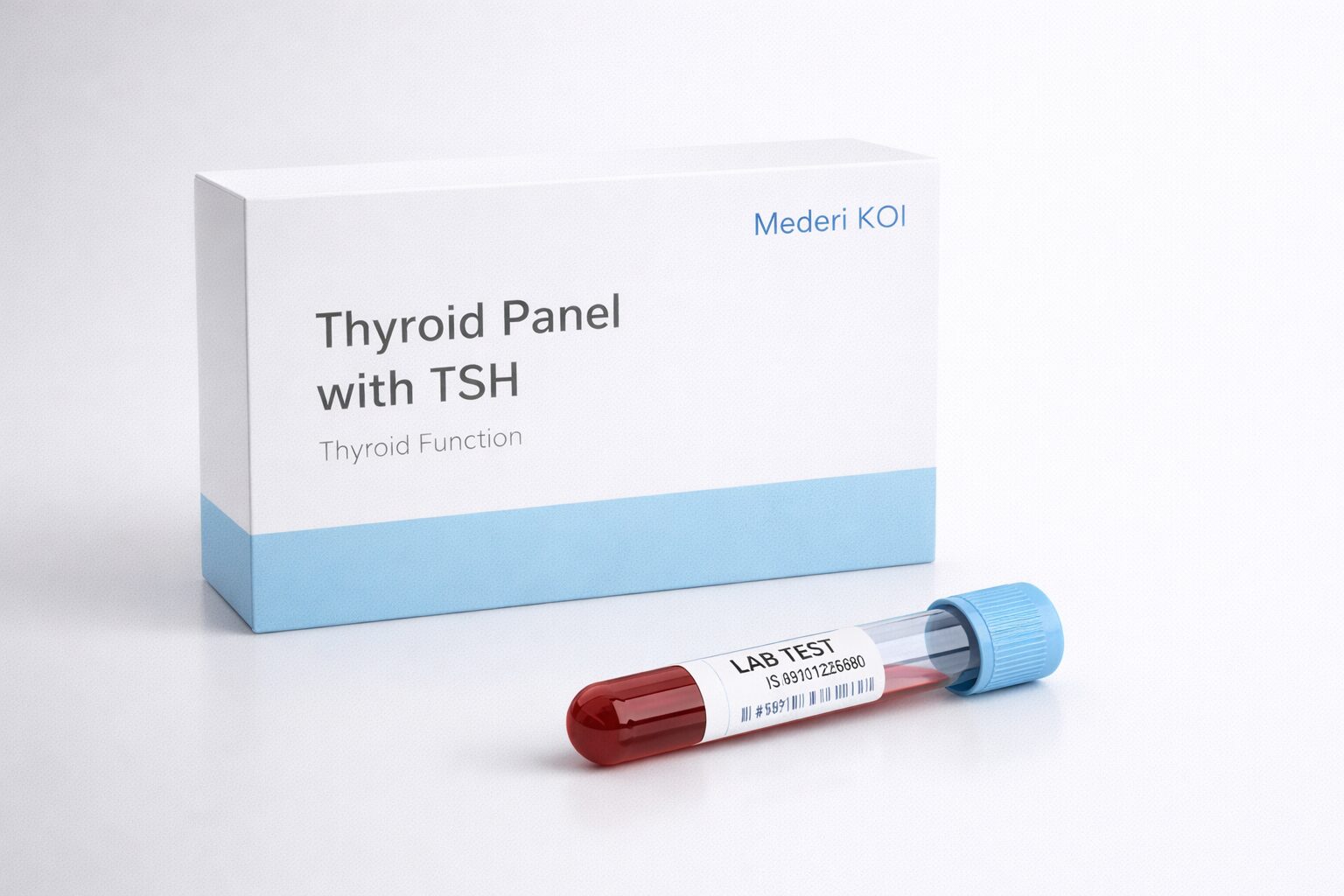
When and Why a Thyroid Panel with TSH Test May Be Ordered
A Thyroid Panel with TSH test might be ordered:
- Symptomatic Assessment: In patients presenting with symptoms of hyperthyroidism (overactive thyroid) such as anxiety, weight loss, tremors, or hypothyroidism (underactive thyroid) such as fatigue, weight gain, and cold intolerance.
- Monitoring: In individuals who are already diagnosed with a thyroid disorder and are on treatment to ensure the medication dose is appropriate.
- Routine Check-up: As a part of a comprehensive health screening in some patients, especially if they have a family history of thyroid disorders or other auto-immune conditions.
- Pregnancy: In pregnant women, especially if they have a history of thyroid issues, as thyroid imbalances can affect fetal development.
What the Thyroid Panel with TSH Test Checks For
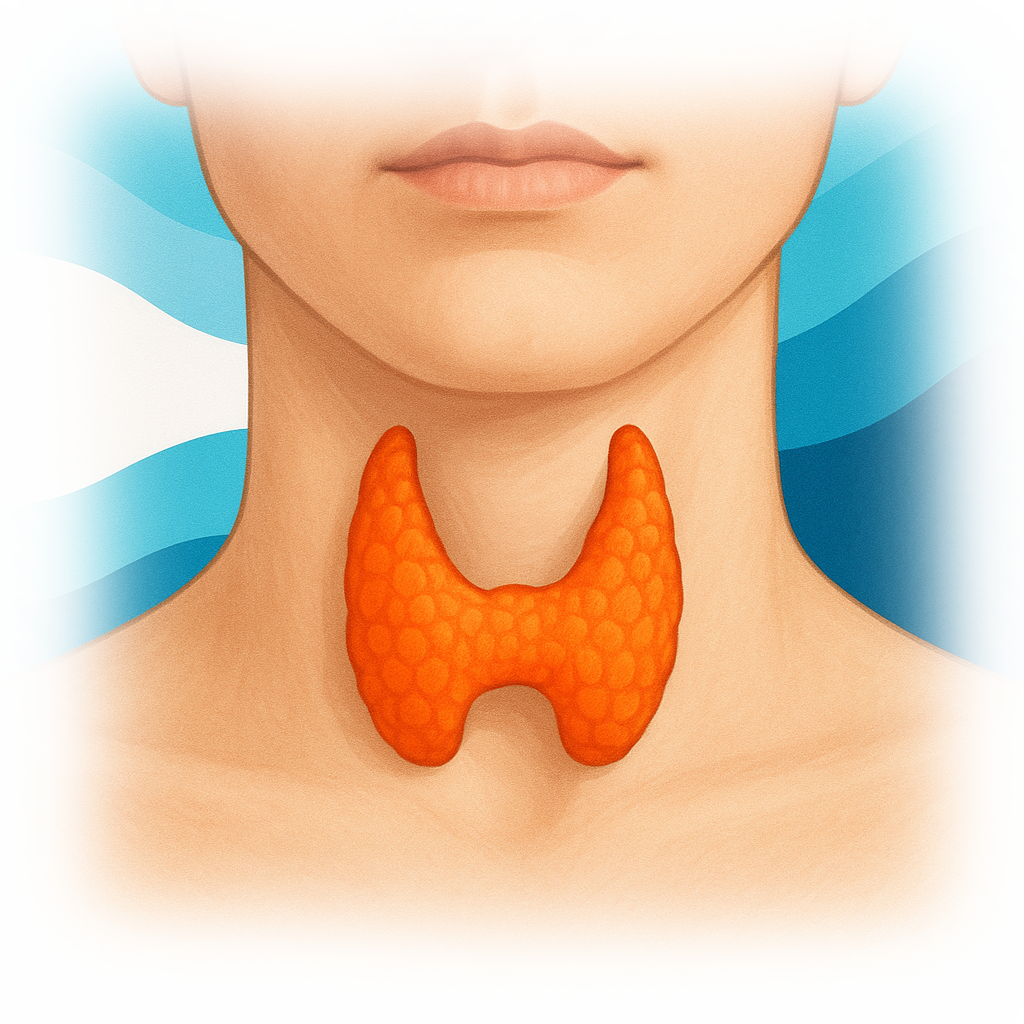 TSH (Thyroid Stimulating Hormone)
- Free T4 (Thyroxine) Index
- T3 (Triiodothyronine) Uptake
- T4 (Thyroxine) Total
Other Lab Tests Ordered Alongside the Thyroid Panel with TSH Test
When a Thyroid Panel with TSH is ordered, it’s often part of a broader assessment of thyroid health and related conditions. Here are some tests commonly ordered alongside it:
- Free T4 (Thyroxine) and Free T3 (Triiodothyronine):
- Purpose: To measure the levels of the active thyroid hormones.
- Why Is It Ordered: To evaluate thyroid function more comprehensively. TSH alone can indicate if there’s a problem, but T4 and T3 levels help to pinpoint whether the issue is hypothyroidism or hyperthyroidism, and how severe it is.
- Thyroid Peroxidase Antibodies (TPO Antibodies):
- Purpose: To detect antibodies against thyroid peroxidase, an enzyme important for thyroid hormone production.
- Why Is It Ordered: To help diagnose autoimmune thyroid diseases, such as Hashimoto’s thyroiditis (a common cause of hypothyroidism) and, less commonly, Graves’ disease.
- Thyroglobulin Antibodies (TG Antibodies):
- Purpose: To detect antibodies against thyroglobulin, a protein involved in thyroid hormone production.
- Why Is It Ordered: To support the diagnosis of Hashimoto’s thyroiditis and to monitor certain thyroid cancers.
- Reverse T3 (rT3):
- Purpose: To measure the level of reverse T3, an inactive form of the thyroid hormone.
- Why Is It Ordered: Sometimes used to assess thyroid function, particularly in complex cases like euthyroid sick syndrome or to evaluate the body’s response to stress or illness.
- Calcium and Phosphorus Levels:
- Purpose: To measure the levels of calcium and phosphorus in the blood.
- Why Is It Ordered: Thyroid disorders can sometimes impact calcium metabolism, especially in cases involving parathyroid glands.
- Complete Blood Count (CBC):
- Purpose: To evaluate overall blood health.
- Why Is It Ordered: To check for anemia or other blood cell abnormalities that can be associated with thyroid dysfunction.
- Lipid Profile:
- Purpose: To measure levels of cholesterol and triglycerides.
- Why Is It Ordered: Hypothyroidism can lead to elevated cholesterol levels, so this test can be useful in assessing the metabolic effects of thyroid disorders.
- Liver Function Test:
- Purpose: To assess liver health.
- Why Is It Ordered: Thyroid hormones can affect liver function, and abnormal thyroid function can sometimes manifest in altered liver enzyme levels.
These tests, when ordered alongside a Thyroid Panel with TSH, provide a comprehensive evaluation of thyroid function and can help in diagnosing thyroid disorders, assessing their impact on other body systems, and guiding treatment decisions. The specific combination of tests will depend on the individual’s symptoms, clinical presentation, and medical history.