Specimen Type: Serum – Collection Method: Blood Draw – Process Time*: Average 1 to 2 business days | Up to 2 business days.
What does a Ferritin blood test check for?
 Ferritin is an iron-containing protein that stores iron in cells in its most basic form. The amount of total iron stored in the body is reflected in the little amount of ferritin released into the blood. This test determines how much ferritin is present in the blood.
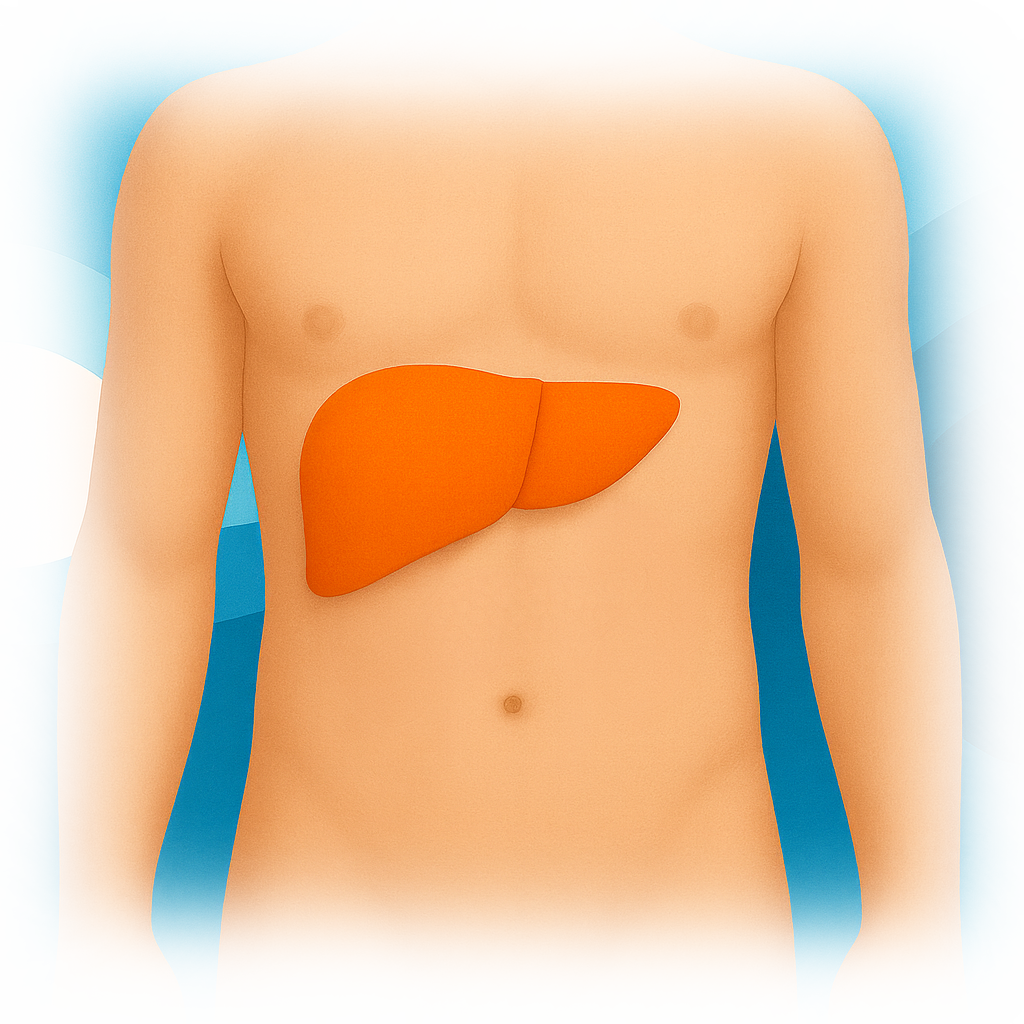
About 70% of the iron consumed by the body is integrated into the hemoglobin of red blood cells in healthy humans. The remaining 30% is stored primarily as ferritin or hemosiderin, which is a combination of iron, proteins, and other elements. Hemosiderin and ferritin are typically found in the liver, although they can also be found in the bone marrow, spleen, and skeletal muscles.
Iron stores are depleted and ferritin levels fall when available iron is insufficient to meet the body’s needs. This can happen owing to a lack of iron, poor absorption, or an increased need for iron, such as during pregnancy or if you have a condition that causes persistent blood loss. Before any indicators of iron shortage appear, significant loss of iron reserves may occur.
When the body absorbs more iron than it needs, iron storage and ferritin levels rise. Chronic iron absorption causes a gradual buildup of iron compounds in organs, which can eventually lead to organ malfunction and failure. Even on a typical diet, this happens in hemochromatosis, a hereditary disorder in which the body absorbs too much iron.
Conditions where a Ferritin test is recommended:
A Ferritin test is commonly ordered for:
- Iron Deficiency Anemia: The test helps diagnose and monitor iron deficiency anemia, a condition characterized by low levels of iron in the body.
- Iron Overload: Ferritin levels can be elevated in conditions of iron overload, such as hereditary hemochromatosis or secondary iron overload due to chronic transfusions or other conditions.
- Chronic Inflammatory Conditions: Certain chronic inflammatory conditions, including rheumatoid arthritis, chronic liver disease, or chronic kidney disease, can affect ferritin levels. The Ferritin test aids in evaluating iron status in these conditions.