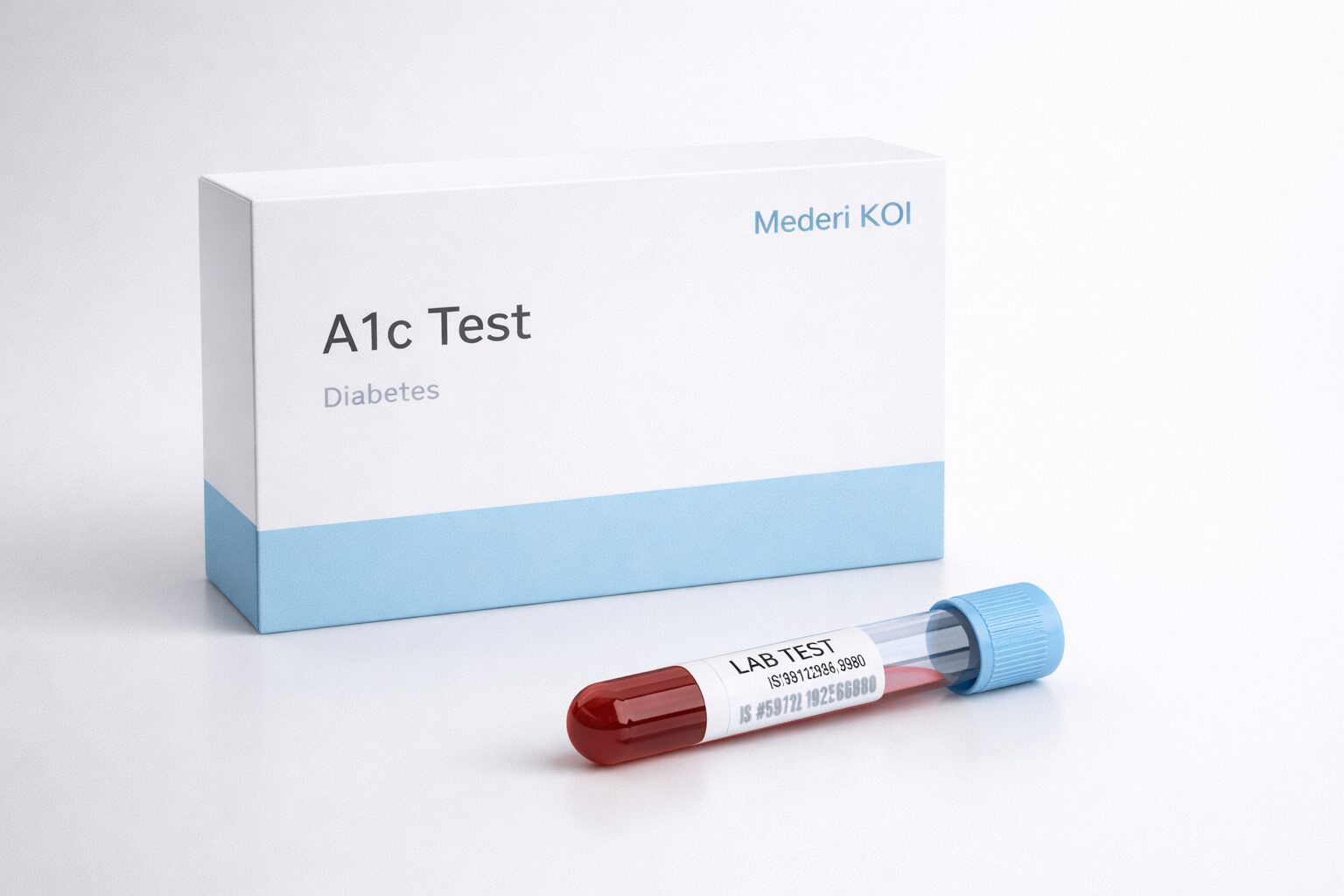
When is a Hemoglobin A1c test ordered?
A Hemoglobin A1c test may be ordered in several situations to assess blood glucose control:
- Diagnosis of Diabetes: The HbA1c test is used as a diagnostic tool for diabetes, particularly for individuals with symptoms of hyperglycemia or those at risk for developing the disease.
- Monitoring Diabetes Management: Individuals with diagnosed diabetes undergo regular HbA1c testing to monitor their blood sugar control over time. It helps assess the effectiveness of diabetes management strategies, including lifestyle modifications, medication, and insulin therapy.
- Assessment of Treatment Goals: The HbA1c test helps set and evaluate treatment goals for individuals with diabetes. It provides insight into long-term blood sugar control and aids in adjusting medication dosages or treatment plans.
What does a Hemoglobin A1c blood test check for?
 Hemoglobin A1c, often known as A1c or glycated hemoglobin, is hemoglobin that has been attached to glucose. By assessing the proportion of glycated hemoglobin, the A1c test determines the average quantity of glucose in the blood during the previous 2 to 3 months.
Hemoglobin is a protein present inside red blood cells that transports oxygen.
Glycated hemoglobin is generated in proportion to the amount of glucose in the blood. Once glucose attaches to hemoglobin, it stays there for the duration of the red blood cell’s life, which is usually about 120 days. The most common kind of glycated hemoglobin is known as A1c. A1c is created on a daily basis and is gradually removed from the bloodstream as older RBCs die and younger RBCs replace them.
This test can be used to detect and diagnose diabetes, as well as the risk of developing it. According to the American Diabetes Association’s standards of medical care in diabetes, diabetes can be diagnosed using either A1c or glucose.
This test can also be used to track the progress of a diabetic patient’s treatment. It aids in determining how well a person’s glucose levels have been controlled over time by medication. An A1c of less than 7% suggests good glucose control and a lower risk of diabetic complications for the majority of diabetics for monitoring reasons.