What does a Cortisol AM blood test check for?
 Cortisol is a hormone that plays a function in protein, lipid, and carbohydrate metabolism. It has an effect on blood glucose levels, blood pressure, and immune system regulation. Only a small fraction of cortisol in the blood is “free” and biologically active; the majority is attached to a protein. Cortisol is a hormone that is produced into the urine and found in the saliva. This test determines how much cortisol is present in the blood, urine, or saliva.
Cortisol levels in the blood usually rise and fall in a pattern known as “diurnal variation.” It reaches its highest point early in the morning, then gradually decreases over the day, reaching its lowest point around midnight. When a person works irregular shifts and sleeps at different times of the day, this rhythm might fluctuate, and it can be disrupted when a disease or condition inhibits or stimulates cortisol production.
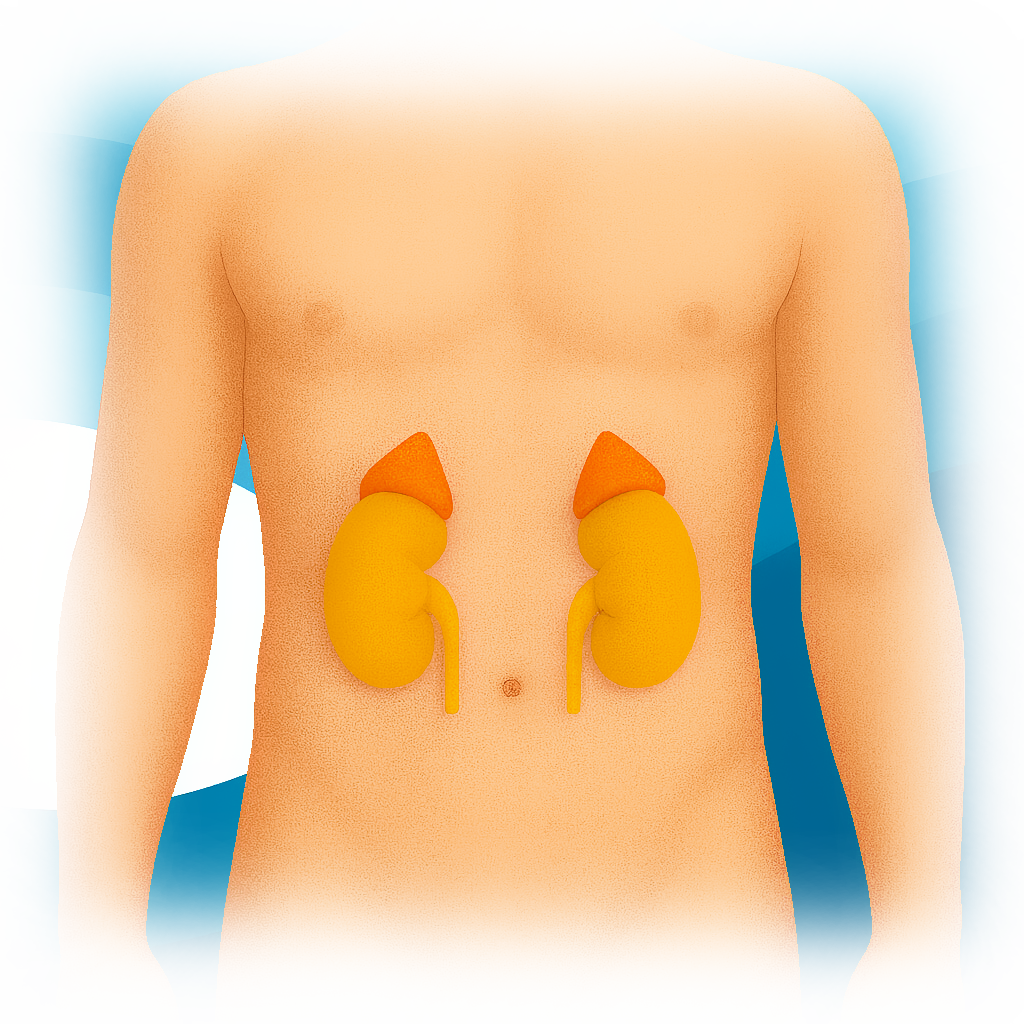
The adrenal glands, two triangle organs that sit on top of the kidneys, generate and emit cortisol. The hypothalamus in the brain and the pituitary gland, a small organ below the brain, control the hormone’s production. The hypothalamus produces corticotropin-releasing hormone when blood cortisol levels drop, which tells the pituitary gland to create ACTH. The adrenal glands are stimulated by ACTH to generate and release cortisol. A certain amount of cortisol must be produced for normal adrenal, pituitary gland, and brain function.
Cushing syndrome is a collection of signs and symptoms associated with an unusually high cortisol level. Cortisol production may be increased as a result of:
- Large doses of glucocorticosteroid hormones are given to treat a range of ailments, including autoimmune illness and certain cancers.
- Tumors that produce ACTH in the pituitary gland and/or other regions of the body.
- Cortisol production by the adrenal glands is increased as a result of a tumor or abnormal expansion of adrenal tissues.
Rarely, CRH-producing malignancies in various regions of the body.
Cortisol production may be reduced as a result of:
- Secondary adrenal insufficiency is caused by an underactive pituitary gland or a pituitary gland tumor that prevents ACTH production.
- Primary adrenal insufficiency, often known as Addison disease, is characterized by underactive or injured adrenal glands that limit cortisol production.
After quitting glucocorticosteroid hormone medication, especially if it was abruptly stopped after a long time of use.
Lab tests often ordered with a Cortisol AM test:
When a Cortisol AM test is ordered, it’s often part of an evaluation for conditions like Cushing’s syndrome (where cortisol is high) or Addison’s disease (where cortisol is low). Several other tests are commonly ordered alongside a Cortisol AM test for a comprehensive evaluation:
- Cortisol PM:
- Purpose: Measures the level of cortisol in the blood in the evening, when it’s normally lower.
- Why Is It Ordered: To compare morning and evening cortisol levels. In healthy individuals, cortisol levels decrease throughout the day. Abnormal patterns can indicate disorders in adrenal or pituitary function.
- ACTH (Adrenocorticotropic Hormone) Test:
- Purpose: ACTH is a hormone produced by the pituitary gland that stimulates cortisol production.
- Why Is It Ordered: To help determine whether abnormal cortisol levels are due to a problem with the adrenal glands (where cortisol is made) or the pituitary gland (which regulates cortisol production).
- Dexamethasone:
- Purpose: Checks how taking a steroid (dexamethasone) affects cortisol production.
- Why Is It Ordered: To help diagnose Cushing’s syndrome and differentiate between different types of Cushing’s syndrome and other conditions causing elevated cortisol.
- Electrolytes:
- Purpose: To measure the levels of key electrolytes in the blood.
- Why Is It Ordered: Cortisol can affect fluid and electrolyte balance; abnormalities might indicate a problem with adrenal function.
- Renin and Aldosterone Tests:
- Purpose: To measure levels of renin and aldosterone, hormones that help regulate blood pressure and fluid balance.
- Why Is It Ordered: These tests can be useful in evaluating adrenal function and differentiating between various adrenal and renal disorders.
- Blood Glucose:
- Purpose: To measure the level of sugar in the blood.
- Why Is It Ordered: Cortisol affects glucose metabolism, and abnormalities in cortisol levels can lead to changes in blood sugar levels.
- Complete Blood Count (CBC):
- Purpose: To provide a general overview of health and detect conditions such as anemia.
- Why Is It Ordered: Chronic stress and cortisol imbalances can affect the immune system and blood cell production.
- Thyroid Function Tests (TSH, Free T3, Free T4):
- Purpose: To assess thyroid function.
- Why Is It Ordered: Thyroid and adrenal glands can affect each other’s function, and symptoms of thyroid disorders can sometimes mimic those of adrenal disorders.
These tests, when ordered alongside a Cortisol AM test, provide a comprehensive view of an individual’s adrenal function and help in diagnosing disorders related to cortisol production. The specific tests chosen depend on the individual’s symptoms, medical history, and the results of the initial cortisol test.
Conditions where a Cortisol AM test is recommended:
A Cortisol AM test may be ordered in the following conditions or diseases:
- Adrenal Insufficiency: Adrenal insufficiency occurs when the adrenal glands do not produce enough cortisol. Measuring morning cortisol levels can help diagnose this condition.
- Cushing’s Syndrome: Cushing’s syndrome is characterized by excessive cortisol production. The Cortisol AM test helps confirm the diagnosis by detecting elevated cortisol levels in the morning.
- Adrenal Tumors: Adrenal tumors, such as adrenal adenomas or adrenal carcinomas, can affect cortisol production. A Cortisol AM test may be used to assess cortisol levels and aid in the diagnosis.