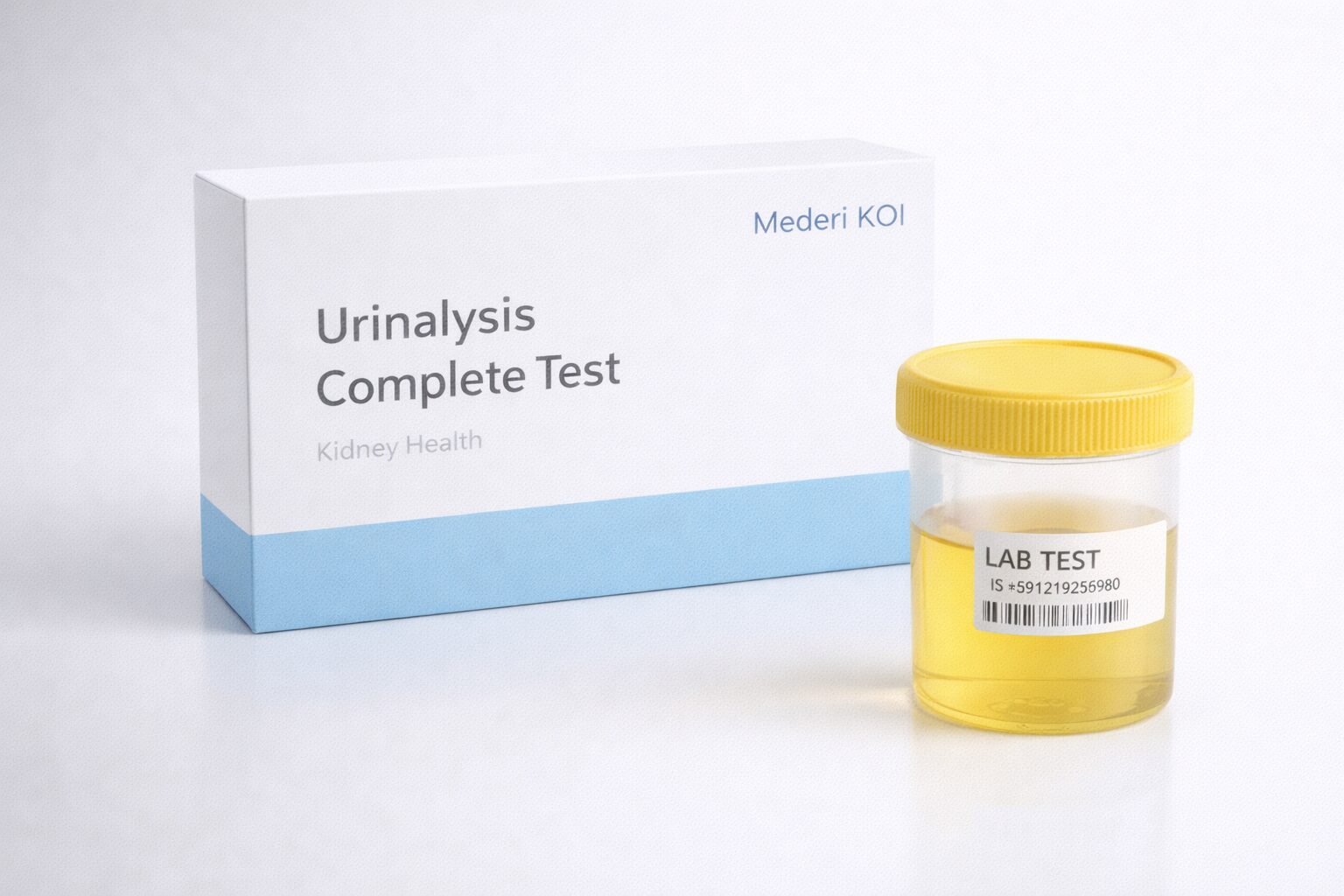
Testing Method: Reagent Impregnated Strips, Tablets, and Microscopic Examination
Collection Method: Urine Collection
Specimen: 10 mL Urine
Test Preparation: Specimen should be collected mid-stream to minimize contamination and improve accuracy.
When is a Urinalysis Complete test ordered?
A Urinalysis Complete test may be ordered in several situations:
- Routine Health Check: It is often included as part of a routine health check-up to evaluate kidney function, screen for urinary tract infections, and assess overall health.
- Monitoring Chronic Conditions: For individuals with chronic conditions such as diabetes, kidney disease, or urinary tract disorders, regular urinalysis helps monitor the progression of the condition and assess the effectiveness of treatment.
- Diagnostic Tool: In cases where symptoms such as frequent urination, pain during urination, or blood in the urine are present, a Urinalysis Complete test aids in diagnosing the underlying cause.
What does a Urinalysis Complete test check for?
 A urinalysis is a series of examinations done on urine that are physical, chemical, and microscopic. The tests identify and/or measure a number of elements in the urine, including cells, cellular fragments, and microbes. These elements include byproducts of healthy and unhealthy metabolism.
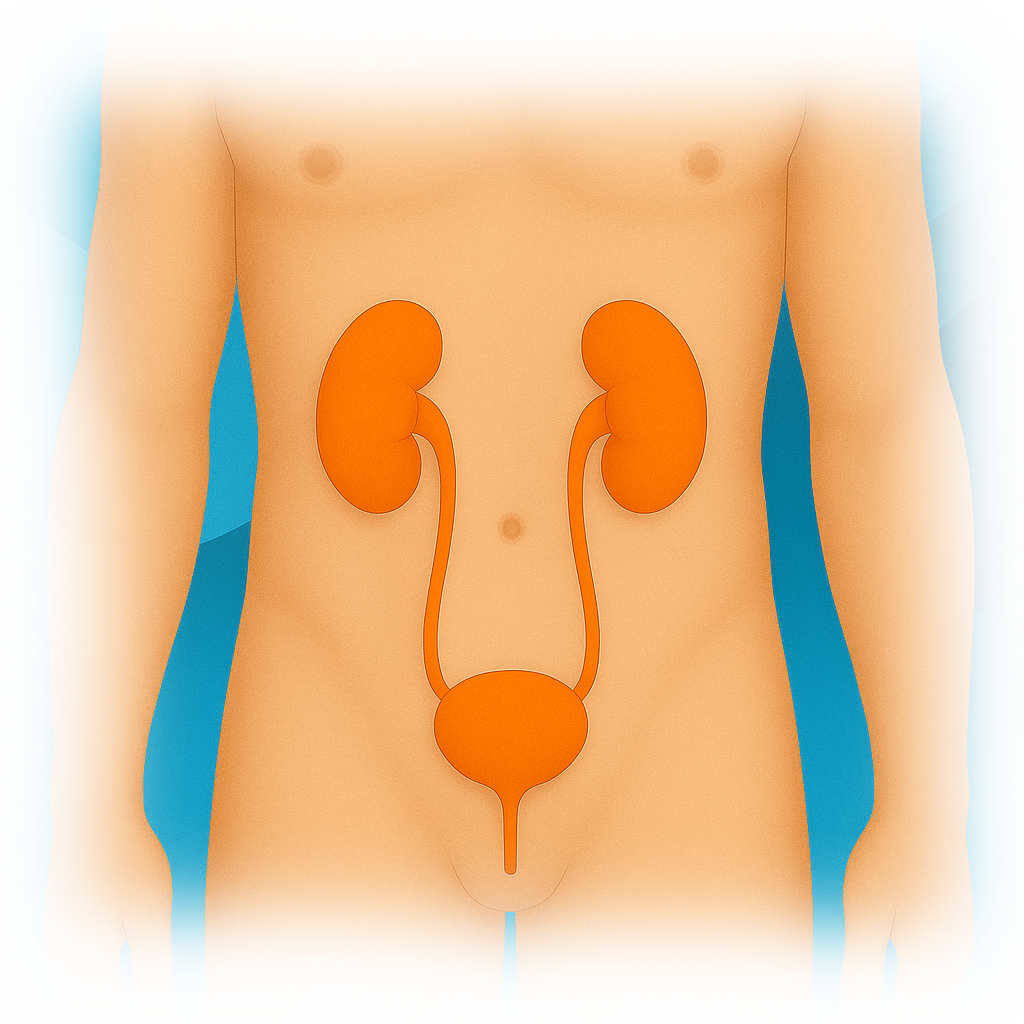
Urine is produced by the kidneys, two fist-sized organs located on either side of the spine near the base of the rib cage. The kidneys help the body regulate its water balance, filter wastes from the blood, and store proteins, electrolytes, and other molecules for later use. To get rid of everything unnecessary, urine travels from the kidneys to the ureters, bladder, and urethra before exiting the body. The color, amount, concentration, and content of urine will change slightly every time a person urinates due to the varied elements in urine, despite the fact that pee is normally yellow and clear.
By screening for components in the urine that aren’t typically present and/or monitoring aberrant levels of specific substances, many illnesses can be caught early on. Glucose, bilirubin, protein, red and white blood cells, crystals, and germs are among examples. They could be present because of the following reasons:
- The body responds to an elevated amount of the substance in the blood by attempting to remove the excess through urine.
- There is a problem with the kidneys.
- As with bacteria and white blood cells, there is a urinary tract infection present.
Three separate phases make up a full urinalysis:
- The color and clarity of the urine are assessed using a visual examination.
- Chemical examination, which determines the concentration of urine and tests for roughly 9 chemicals that provide useful information about health and disease.
- Microscopic inspection that identifies and counts the different types of cells, casts, crystals, and other components found in urine, such as bacteria and mucus.
When abnormal results are found, or if a healthcare provider requests it, a microscopic analysis is usually performed.
It may be essential to repeat the test if the findings of a urinalysis are abnormal, and further other urine and blood tests may be needed to help establish a diagnosis, if the results are abnormal.
NOTE: Only measurable biomarkers will be reported. Many markers within the Urinalysis Complete do not appear in healthy individuals and will not appear on the report if they are not detected.
Lab tests often ordered with a Urinalysis Complete test:
When a Urinalysis Complete test is ordered, it might be part of a broader evaluation of urinary or systemic conditions. Here are some tests commonly ordered alongside a Urinalysis Complete test:
- Complete Blood Count (CBC):
- Purpose: To provide a broad picture of overall health and detect conditions such as anemia, infection, and inflammation.
- Why Is It Ordered: A CBC can help identify underlying conditions that may affect or be affected by urinary system health, such as infections or systemic diseases.
- Kidney Function Test:
- Purpose: To evaluate how well the kidneys are working.
- Why Is It Ordered: These tests assess kidney function and can help diagnose kidney disease, which may be suggested by abnormal findings in a urinalysis.
- Electrolyte Panel:
- Purpose: To measure the levels of key electrolytes in the blood.
- Why Is It Ordered: Electrolyte imbalances can be indicative of kidney problems or other health issues, which might also be reflected in urinalysis results.
- Liver Function Test:
- Purpose: To assess liver health, as liver diseases can impact the kidneys and other organs.
- Why Is It Ordered: To evaluate for liver dysfunction, which can sometimes correlate with urinary abnormalities.
- Urine Culture:
- Purpose: To grow and identify any bacteria present in the urine.
- Why Is It Ordered: If a urinalysis indicates a possible infection (such as the presence of leukocytes or nitrites), a urine culture can confirm the infection and help guide appropriate antibiotic treatment.
- Urine Albumin with Creatinine Ratio:
- Purpose: To quantify the amount of protein excreted in the urine.
- Why Is It Ordered: To assess for proteinuria, which can be a sign of kidney disease, particularly in the context of diabetes or hypertension.
- Blood Glucose and Hemoglobin A1c (HbA1c):
- Purpose: To assess blood sugar control and diagnose diabetes.
- Why Is It Ordered: Diabetes can cause kidney damage (diabetic nephropathy) and may be suggested by the presence of glucose in the urine.
- C-Reactive Protein (CRP) and Erythrocyte Sedimentation Rate (ESR):
- Purpose: Non-specific markers of inflammation.
- Why Is It Ordered: To detect systemic inflammation, which can sometimes be associated with kidney diseases or infections.
- Calcium, Phosphorus, and Uric Acid Levels:
- Purpose: To assess the levels of these substances, which can form kidney stones.
- Why Is It Ordered: To investigate or monitor for kidney stones, especially if there is a history of stones or related symptoms.
These tests can provide comprehensive information about the health of the urinary system and other related body systems. They are particularly important for diagnosing and managing conditions that affect the kidneys and urinary tract. The specific tests chosen will depend on the individual’s symptoms, medical history, and the results of the initial urinalysis.